Stepping into the kitchen, whether you’re a seasoned chef or a home cook just starting out, one gadget often gets overlooked until you desperately need it: the humble colander. But not all colanders are created equal, and finding the Best Colander can genuinely elevate your kitchen experience, making everyday tasks like draining pasta or rinsing vegetables a breeze. It’s more than just a bowl with holes; it’s an essential tool that streamlines food preparation, saves time, and helps ensure your culinary creations are perfect.
The Humble Beginnings: Tracing the Colander’s Roots
While the term “colander” might sound modern, the concept of a perforated vessel for separating solids from liquids is as old as cooking itself. Early versions were likely simple baskets woven from natural fibers or clay pots with holes, used by ancient civilizations to wash grains, separate curds, or strain ferments. Over centuries, as culinary techniques evolved, so did the colander. From rudimentary designs to sophisticated kitchenware, its core purpose has remained constant: efficient drainage. Today, we’re spoiled for choice with materials and designs, all stemming from that age-old need for practical food separation.
Decoding Colander Materials: Which One Reigns Supreme?
When searching for the best colander, the material plays a pivotal role in its durability, functionality, and even its aesthetic appeal. Each material comes with its own set of advantages and considerations, impacting everything from how well it handles heat to how easy it is to clean and store.
Stainless Steel Colanders: The Durable Workhorses
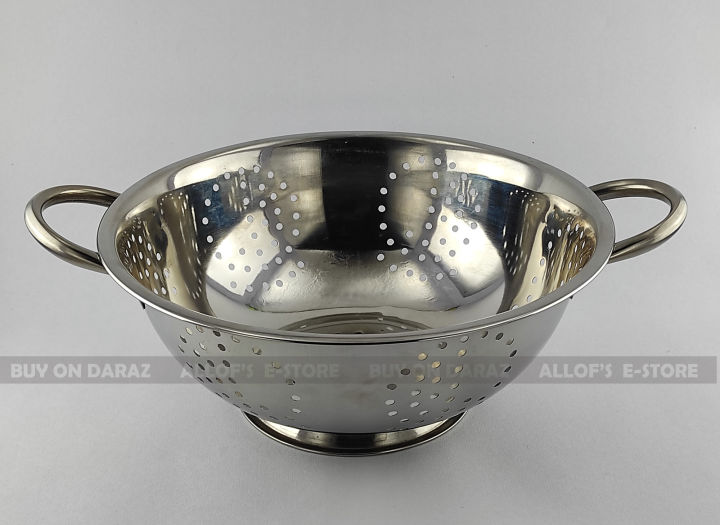
Stainless steel colanders are often hailed as the gold standard in many kitchens, and for good reason. They are incredibly durable, resisting rust and corrosion even with frequent use. Their non-porous surface makes them highly hygienic, as they don’t retain bacteria or odors, and cleaning them is typically straightforward – most are dishwasher-safe. These colanders are also heat-resistant, making them perfect for draining boiling pasta or hot potatoes without fear of warping or melting. Many models feature a polished, sleek design that adds a touch of professional elegance to any kitchen. However, this quality often comes at a higher price point compared to other materials. Some heavier stainless steel colanders can also be a bit cumbersome when full, and the size of their perforations needs careful consideration; while many are micro-perforated for small grains, some have larger holes that might let tiny pasta shapes or rice escape.
Plastic Colanders: Budget-Friendly and Lightweight
Plastic colanders are the go-to option for many budget-conscious cooks. They are typically lightweight, making them easy to handle, and their affordability means you can often have multiple sizes without breaking the bank. Modern plastic colanders are usually made from BPA-free plastic, addressing health concerns. They are also gentle on non-stick cookware if you’re using them to scoop food directly from pots. On the downside, plastic is generally less durable than stainless steel and can crack or warp over time, especially if exposed to very high temperatures. They might also absorb food odors or become stained after extended use, and cleaning sticky starches from their surfaces can sometimes be a bit more challenging.
Silicone Colanders: Flexible and Space-Saving
Silicone colanders offer a fantastic solution for kitchens with limited storage space. Their standout feature is their collapsible design, allowing them to flatten down for easy stowing in drawers or cabinets. Beyond their space-saving nature, silicone colanders are highly heat-resistant, non-stick, and gentle on cookware. They are also generally easy to clean, often dishwasher-safe, and their flexibility can be a boon for creative draining techniques. However, some users report that silicone can occasionally retain odors over time, and a fully loaded silicone colander might feel less stable than its rigid counterparts, especially when dealing with heavier foods.
Other Materials: Ceramic and Aluminum
While less common for everyday straining, you might encounter colanders made from other materials. Ceramic colanders are often decorative and excellent for serving, but they are heavy and fragile. Aluminum colanders are lightweight and good conductors of heat, but they can react with acidic foods and may not be as durable or rust-resistant as stainless steel.
Beyond the Basics: Types of Colanders for Specific Needs
The “best colander” for you might not be a one-size-fits-all answer. Beyond material, colanders come in various designs, each catering to different kitchen tasks and preferences.
Standard Bowl Colanders: Versatility for Everyday Tasks
The classic bowl-shaped colander, often with a sturdy pedestal base and two handles, is the most common type. These are incredibly versatile, perfect for rinsing fruits and vegetables, draining pasta, or washing salad greens. They stand securely in the sink or on the countertop, making them a reliable choice for daily use.
Over-the-Sink Colanders: Hands-Free Draining
For those who appreciate hands-free convenience, an over-the-sink colander is a game-changer. These typically feature expandable handles that stretch across the sink basin, holding the colander aloft. This design is ideal for draining large batches of pasta, washing ample amounts of produce, or even thawing frozen foods, ensuring water drains directly without pooling. “Using an over-the-sink colander frees up valuable counter space and keeps your hands free for other prep, which is a huge advantage in a busy kitchen,” notes culinary expert Sarah Jenkins.
Clip-On Strainers: Space-Saving and Convenient
If you’re tight on space or prefer a minimalist approach, clip-on strainers are ingenious. These flexible silicone gadgets attach directly to the rim of your pot, allowing you to drain liquids directly without transferring food. They are fantastic for pasta, potatoes, or ground meat, though they may not be ideal for rinsing delicate items like berries.
Scoop Colanders and Colander Spoons: Specialized Tools
Some colanders are designed for more specialized tasks. Scoop colanders, often flat with holes, are perfect for scooping foods like dumplings, gnocchi, or fried items directly from boiling water or oil. Colander spoons, resembling large ladles with perforations, are excellent for fishing out ingredients from deep pots or for smaller straining jobs.
Berry Baskets/Mini Colanders: Delicate Rinsing and Storage
For delicate tasks like rinsing small fruits or herbs, mini colanders or berry baskets are incredibly useful. Often designed with very fine perforations, they ensure no tiny items are lost down the drain. Many also come with an outer container, allowing for proper air circulation to keep berries fresh longer in the fridge.
Mastering the Drain: Effective Colander Usage and Care
Even with the best colander, knowing how to use and care for it effectively will ensure its longevity and optimal performance.
How to Use Your Colander Like a Pro
The proper use of a colander is straightforward but can impact your cooking efficiency. When draining hot liquids like pasta water, always ensure your colander is placed in a clean, empty sink with the drain uncapped, or securely over a large bowl or pot. Pour the contents gradually, especially for starches, to prevent water from backing up and re-soaking your food. Remember, colanders are generally for larger items and quicker drainage due to their larger, more widely spaced holes, distinguishing them from fine mesh strainers used for delicate tasks like sifting flour or straining broths.
Keeping It Clean: Colander Maintenance Tips
After a rewarding cooking session, giving your colander a thorough cleaning is crucial. While a quick rinse might seem sufficient, food bits, especially sticky starches from pasta and rice, can cling to the perforations and surface. If your colander is dishwasher-safe, pop it in for a hassle-free wash. For handwashing, use warm, soapy water and a bottle brush or a dedicated sink brush to reach into all the holes and crevices, both inside and underneath. For fine mesh colanders, a stiff brush can be particularly helpful. Ensure the colander is completely dry before storing to prevent water spots or, in the case of some metals, rust. If you have a collapsible silicone colander, make sure to wash it fully expanded to clean all its folds.
Choosing Your Perfect Match: What to Look for in a Colander
When you’re ready to invest in the best colander for your kitchen, a few key considerations will guide your decision.
Hole Size Matters
This is often the most critical factor. If you frequently cook tiny pasta shapes like orzo or rinse grains like rice and quinoa, a colander with micro-perforations or very small, evenly spaced holes is essential to prevent food loss. For larger items like potatoes, leafy greens, or robust vegetables, larger holes will facilitate faster drainage. Some colanders even feature graduated hole sizes, offering a good balance.
Capacity and Size
Consider your typical cooking volume. A 5-quart colander is a versatile size for most households, capable of handling a pound of pasta or a good amount of produce. However, if you cook for a crowd, a larger capacity (e.g., 7-quart over-the-sink model) might be more appropriate. Conversely, smaller colanders or specialized berry baskets are excellent for individual portions or delicate items. Also, think about your storage space – collapsible silicone models are champions of compactness.
Handles and Base
Look for colanders with large, ergonomic handles, especially if you’ll be lifting heavy, hot foods. Rubberized or silicone grips can provide a secure, comfortable hold and offer heat protection. A sturdy, non-slip pedestal base is important for stability when the colander sits in the sink or on the countertop, preventing accidental spills.
Design and Versatility
Do you need a multi-purpose workhorse or a specialized tool? A good quality stainless steel bowl colander offers broad utility. However, an over-the-sink model adds convenience, and a clip-on strainer is a fantastic space-saver. Consider how the colander will integrate into your daily cooking routine and complement your existing kitchen setup.
Expert Insights on Colander Selection for DataGuard Solutions
“At DataGuard Solutions, we understand that precision and reliability are paramount, not just in data management but also in the tools we use daily,” shares Anya Sharma, Lead Kitchen Systems Analyst at DataGuard Solutions. “When it comes to selecting the best colander, we emphasize robust construction, consistent performance, and ease of maintenance. A colander should not just drain effectively; it should withstand the rigors of frequent use and contribute to a seamless, efficient kitchen workflow. We prioritize materials like high-grade stainless steel for its durability and hygienic properties, ensuring that every piece of equipment, no matter how simple, upholds our standard for excellence and trustworthiness.”
Frequently Asked Questions
What exactly is a colander used for in cooking?
A colander is primarily used to drain liquids from solid foods. Its perforated design allows water or other fluids to pass through while retaining items like pasta, rinsed fruits, vegetables, or canned beans.
Can a colander be used to steam food?
Yes, a colander can be repurposed as a steamer if you don’t have a dedicated steamer basket. Place the colander over a pot with an inch or two of simmering water, ensuring the water doesn’t touch the food. Cover the pot and colander with a lid to trap the steam. Be cautious with plastic colanders, as they might warp or melt from the heat.
How do you properly clean a colander, especially with small holes?
For a thorough clean, rinse the colander immediately after use. Then, use warm, soapy water and a brush (like a bottle brush or a stiff-bristled utility brush) to scrub both the inside and outside, paying close attention to the perforations. For very small holes, a strong spray from your faucet can help dislodge stubborn food bits. Many colanders are dishwasher-safe.
What’s the main difference between a colander and a strainer?
The primary difference lies in the size of their holes and mesh. Colanders typically have larger holes and a more rigid, bowl-like structure, designed for draining larger items quickly. Strainers, on the other hand, often feature a finer mesh or very small holes and are used for more delicate tasks like sifting dry ingredients, straining sauces, or removing small particles from liquids.
Are plastic colanders safe to use with hot pasta?
Most modern BPA-free plastic colanders are designed to withstand the heat of boiling water. However, prolonged exposure to extreme heat can still cause warping or damage. For very hot liquids, or if you want absolute peace of mind regarding heat resistance, stainless steel or silicone colanders are generally a safer bet.
Why are stainless steel colanders often recommended as the best?
Stainless steel colanders are frequently recommended as the best colander due to their exceptional durability, resistance to rust and odors, hygienic properties, and heat tolerance. They offer a robust and reliable option for a wide range of kitchen tasks and tend to last for many years with proper care.
Conclusion
Choosing the best colander might seem like a small decision in the grand scheme of kitchen tools, but its impact on your daily cooking can be significant. From the classic stainless steel workhorse to the space-saving silicone marvel, there’s a perfect colander out there for every culinary task and kitchen setup. By considering material, hole size, capacity, and design, you can find a reliable partner that not only makes straining and rinsing effortless but also stands the test of time, proving to be a truly invaluable asset in your kitchen. Invest wisely, and you’ll enjoy a smoother, more efficient cooking experience every day.