Every passionate home cook knows that a well-equipped kitchen is a happy kitchen. Among the myriad of gadgets and gizmos, one humble yet indispensable item stands out: the Kitchen Colander Strainer. This unassuming tool, with its perforated surface, is a true workhorse, transforming everyday culinary tasks from mundane to magnificent. From draining pasta to rinsing fresh produce, understanding the nuances of your colander strainer can significantly elevate your cooking game.
Understanding Your Kitchen Workhorse: Colander vs. Strainer
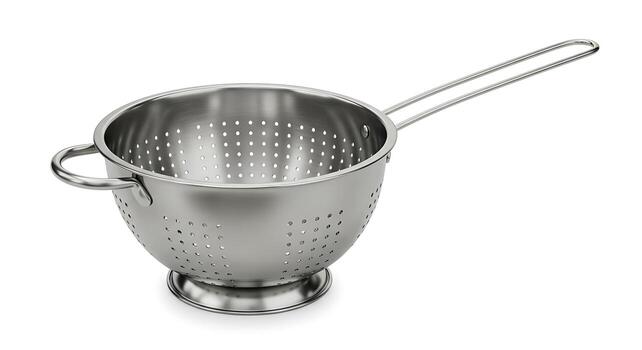
You’ve likely used both a colander and a strainer, perhaps even interchangeably, but did you know they’re distinct tools designed for specific tasks? A colander is typically a rigid, bowl-shaped utensil with larger, widely spaced holes, often featuring a stable base that elevates it from the sink surface for efficient drainage. It’s your go-to for hefty tasks like draining a big batch of pasta, washing large vegetables, or rinsing canned beans. Its robust design is built to handle significant weight and hot liquids without bending or warping.
On the other hand, a strainer (often a fine-mesh sieve) usually has a more shallow, often asymmetrical design with much finer, tightly woven mesh. These delicate tools are perfect for more precise jobs: think rinsing tiny grains like quinoa or rice that would slip through a colander’s larger holes, sifting flour to eliminate lumps for baking, or straining broths and sauces to achieve a perfectly smooth consistency. While a colander is about bulk drainage, a strainer excels at fine filtration. Owning both allows you to tackle virtually any culinary task with precision and ease.
A Journey Through Time: The History of the Colander
The concept of separating solids from liquids in food preparation isn’t new; it’s a practice that dates back to ancient civilizations. The very word “colander” itself whispers of antiquity, stemming from the Latin word “colare,” which means ‘to strain.’ In its earliest, rudimentary forms, colanders were fashioned from readily available natural materials such as perforated clay vessels, woven straw baskets, or carved wood. These simple yet ingenious prototypes served the fundamental purpose of draining water from cooked grains or rinsing freshly gathered produce.
As human civilization advanced, so did culinary tools. With the discovery and mastery of metals, colanders evolved. Archaeological finds suggest that bronze versions were prevalent in ancient Rome and Greece, reflecting a growing sophistication in kitchenware. Over the centuries, materials like wrought iron, copper, and eventually stainless steel became favored, primarily due to their enhanced durability, heat resistance, and ease of cleaning. From being simple utilitarian objects, colanders have steadily adapted, mirroring the evolving demands of kitchens through millennia.
Beyond the Basics: Types and Materials of Kitchen Colander Strainers
Choosing the right kitchen colander strainer isn’t just about grabbing the first one you see. The material and design significantly impact its performance, durability, and suitability for various cooking tasks.
Popular Materials for Your Kitchen Colander Strainer
- Stainless Steel: The undisputed champion of colander materials, stainless steel offers exceptional durability, rust resistance, and the ability to withstand high temperatures. It’s also non-toxic, hygienic, and often dishwasher-safe, making it a favorite for professional and home kitchens alike. Many high-quality stainless steel colanders feature micro-perforations that allow for rapid drainage while preventing even small grains from slipping through.
- Plastic: Lightweight and often more affordable, plastic colanders are excellent for rinsing delicate fruits or vegetables that don’t require exposure to extreme heat. However, it’s crucial to opt for BPA-free plastic to avoid potential chemical leaching, especially when used with warm water or acidic foods. Collapsible plastic colanders, often featuring silicone panels, are fantastic space-savers for smaller kitchens.
- Silicone: Increasingly popular, silicone colanders are incredibly flexible, heat-resistant, and can often collapse flat for convenient storage. They are also gentle on non-stick cookware if used as a pot strainer. Like plastic, ensure they are food-grade and BPA-free.
- Ceramic and Enamelware: While beautiful and often used as decorative pieces or fruit bowls, ceramic and enamelware colanders are generally less suitable for heavy-duty draining of hot liquids due to their fragility and potential for chipping. They are best reserved for lighter tasks or display.
Diverse Designs for Every Kitchen Need
Beyond materials, designs vary to meet specific demands:
- Traditional Bowl-Shaped: The classic, freestanding colander with a stable pedestal base is a kitchen staple.
- Over-the-Sink Colanders: Featuring expandable handles, these ingenious designs rest securely over your sink, offering hands-free draining and rinsing—a true blessing when working with large quantities.
- Collapsible Colanders: Perfect for compact kitchens, these typically silicone or plastic models fold down flat, saving precious cabinet space.
“A well-chosen kitchen colander strainer isn’t just a tool; it’s an extension of your culinary intention, ensuring every ingredient is perfectly prepared, whether it’s al dente pasta or sparkling clean berries,” says Chef Isabella Rossi, a renowned culinary consultant.
Mastering Your Kitchen Colander Strainer: Usage and Maintenance Tips
Getting the most out of your kitchen colander strainer involves knowing how to use it effectively and keep it in top shape.
Effective Usage for Peak Performance
- Draining Pasta and Large Vegetables: The classic use! Place your colander in the sink, pour in your cooked pasta or boiled vegetables, and let the magic happen. For pasta, a sturdy stainless steel colander with ample holes ensures quick drainage, preventing overcooking.
- Rinsing Fruits and Vegetables: From leafy greens to berries and potatoes, a colander makes washing produce a breeze. The perforations allow water to circulate and drain away dirt and debris efficiently.
- Rinsing Small Grains: While traditional colanders might lose smaller items, a micro-perforated colander or a fine-mesh strainer is ideal for rinsing quinoa, rice, or tiny lentils, ensuring no precious food slips through the cracks.
- Steaming Vegetables: Don’t have a steamer basket? No problem! If you have a heat-resistant colander (stainless steel or silicone), you can often place it over a pot of boiling water, creating an improvised steamer for healthy, vibrant veggies.
- Storing Produce: Many fruits and vegetables, like berries or leafy greens, benefit from airflow. A colander can serve as a breathable container in your fridge, helping to extend their freshness. Just line it with a paper towel!
Cleaning and Care for Longevity
Proper maintenance is key to ensuring your kitchen colander strainer lasts for years.
- Dishwasher Safe: Many stainless steel and some plastic/silicone colanders are dishwasher safe. Always check the manufacturer’s instructions. This makes cleanup incredibly convenient.
- Hand Washing: For fine-mesh strainers or those with intricate patterns, a gentle hand wash with warm, soapy water and a soft brush is often best to dislodge any stuck-on food particles. Pay special attention to seams and crevices where food can accumulate.
- Prompt Cleaning: Rinse your colander immediately after use, especially after draining starchy pasta or sticky foods, to prevent residue from drying and becoming harder to remove.
- Air Drying: Allow your colander to air dry completely or towel dry it before storing to prevent water spots or, in the case of some metals, rust.
Unleashing Creativity: Unexpected Uses for Your Colander
Think beyond draining! Your kitchen colander strainer is a surprisingly versatile tool with a few clever tricks up its sleeve.
- DIY Splatter Guard: Turn a metal colander upside down over a frying pan to prevent grease splatters while still allowing steam to escape, keeping your stovetop cleaner and you safer.
- Pancake Warmer: Place a colander upside down over a stack of cooked pancakes or waffles. The holes allow steam to escape, preventing them from getting soggy, while keeping them warm until serving.
- Kids’ Toy: For a fun, simple activity, give your child an upside-down colander and a bag of uncooked spaghetti noodles. Challenge them to thread the noodles through the holes – it’s great for fine motor skills!
- Aquarium Gravel Washer: Cleaning aquarium gravel can be messy. A colander provides a quick and efficient way to rinse it thoroughly without losing any into the drain.
- Makeshift Fruit Basket: Its inherent design for airflow makes a decorative colander a perfect, breathable fruit basket for your countertop.
Choosing Your Perfect Kitchen Colander Strainer: What to Consider
With so many options available, how do you pick the “one” (or two, or three!) that’s right for you?
Size and Capacity
Consider the scale of your cooking. If you frequently prepare large family meals or big batches of pasta, a 5-quart or larger colander is ideal. For rinsing a handful of berries or a small side dish, a smaller colander or a set of varying-sized strainers will be more practical. An over-the-sink model can also be incredibly useful for larger quantities as it offers more workspace.
Hole Size
This is crucial. For draining pasta, larger holes are fine, but for smaller foods like orzo, rice, or quinoa, you’ll need a colander with micro-perforations or a fine-mesh strainer to prevent food loss. A general-purpose colander often strikes a good balance, but for specialized tasks, having a finer mesh option is a game-changer.
Stability and Handles
A good colander should have a sturdy base that elevates it adequately from the sink, preventing backflow and ensuring efficient drainage. Look for riveted handles (especially on metal colanders) for secure grip, even when full and hot. Over-the-sink models with expandable, non-slip handles provide excellent stability.
Ease of Cleaning
Nobody wants a kitchen tool that’s a nightmare to clean. Stainless steel with smooth surfaces and minimal crevices is generally easy to maintain. Dishwasher-safe options are a bonus, but for delicate mesh, ensure it’s simple to hand-wash without trapping food particles.
Prioritize Non-Toxic Materials
As modern consumers, we’re more aware than ever of what our kitchenware is made from. Opt for food-grade stainless steel or BPA-free plastic/silicone to ensure no harmful chemicals leach into your food, particularly when handling hot ingredients.
The Indispensable Role of the Kitchen Colander Strainer in Modern Cooking
In the bustling symphony of a modern kitchen, the kitchen colander strainer might not be the most glamorous instrument, but it’s undoubtedly one of the most vital. It’s the silent hero that ensures your ingredients are perfectly prepared, your dishes hygienic, and your cooking process streamlined. From its ancient origins as a simple straining device to its contemporary manifestations in durable stainless steel or space-saving silicone, this tool has consistently adapted to the needs of cooks worldwide.
Embracing the right colander strainer for each task not only boosts your efficiency but also contributes to the overall quality and safety of your meals. Whether you’re a seasoned chef or a culinary novice, investing in high-quality, versatile colanders and strainers will empower you to drain, rinse, and create with confidence and precision. So go ahead, give your kitchen colander strainer the appreciation it deserves – it’s truly a cornerstone of culinary excellence!