Ever felt like your kitchen is a chaotic battleground of splashing water, runaway pasta, and rogue vegetables? You’re not alone. Many home cooks grapple with the mess and inefficiency of food prep and cleanup. But what if one simple, yet incredibly versatile, tool could transform your kitchen workflow, making it cleaner, faster, and much more enjoyable? Enter the Kitchen Sink Colander. This unsung hero isn’t just for draining pasta anymore; it’s a multi-functional marvel designed to streamline your culinary adventures.
The Humble Beginnings: A Brief History of Colanders
Before we dive into the specifics of their sink-side counterparts, let’s appreciate the journey of the colander. From ancient perforated bowls used for straining curds or extracting juices, the colander has evolved. Its name, derived from the Latin “colum” (strainer), speaks to its core purpose. Early versions were often simple ceramic or metal bowls with holes. Over centuries, as culinary techniques advanced and kitchen tools became more specialized, the colander adapted, always with the aim of separating solids from liquids efficiently. The modern kitchen sink colander is the pinnacle of this evolution, perfectly marrying form and function for contemporary kitchens.
What Exactly is a Kitchen Sink Colander?
A kitchen sink colander is precisely what it sounds like: a colander designed to sit in, over, or across your kitchen sink. Unlike a traditional stand-alone colander, these are engineered to leverage the sink basin, freeing up your hands and counter space. They come in a dazzling array of designs, materials, and sizes, each offering unique benefits to suit different kitchen layouts and cooking styles. From rinsing mountains of berries to thawing frozen foods, a good kitchen sink colander becomes an indispensable part of your daily routine.
Types and Materials: Finding Your Perfect Kitchen Sink Colander Match
Choosing the right kitchen sink colander can feel a bit like dating – you need to find one that truly fits your lifestyle. Here are the most common types and materials you’ll encounter:
Over-the-Sink Colanders
These are perhaps the most popular, often featuring expandable arms that rest on the edges of your sink. This design allows for hands-free straining directly over the drain, making them ideal for large batches of pasta, washing vegetables, or even air-drying dishes. They are a fantastic space-saver, keeping your counters clear.
In-Sink Colanders (Drop-in Colanders)
Designed to fit snugly inside your sink basin, these are perfect for smaller tasks like draining a can of beans or rinsing a handful of herbs. They often come as accessories for specific sink models, creating a seamless look and maximizing functionality within the sink itself.
Collapsible or Foldable Kitchen Sink Colanders
For those with limited storage, these are a dream come true. Typically made from silicone with a rigid frame, they collapse flat for easy storage in a drawer or cabinet. Don’t let their flexible nature fool you; they are robust enough for most draining tasks and offer incredible space-saving advantages.
Materials Matter:
- Stainless Steel: The champion of durability and hygiene. Stainless steel colanders are rust-resistant, easy to clean, and can withstand high temperatures. They offer a sleek, professional look.
- Silicone: Flexible, heat-resistant, and non-scratch, silicone colanders are gentle on your cookware and can collapse for storage. They come in vibrant colors, adding a pop to your kitchen.
- Plastic: Lightweight and affordable, plastic colanders are a budget-friendly option. However, choose high-quality, BPA-free plastic for food safety and better durability.
“Selecting the right material for your kitchen sink colander isn’t just about aesthetics; it’s about longevity and hygiene,” notes culinary tools expert Clara Beaumont. “Stainless steel and high-grade silicone offer the best balance of durability, ease of cleaning, and food safety.”
How to Effectively Use and Maintain Your Kitchen Sink Colander
Getting the most out of your kitchen sink colander involves more than just dumping food in it. Proper usage and consistent maintenance ensure it remains a reliable tool for years to come.
Mastering Your Colander’s Potential
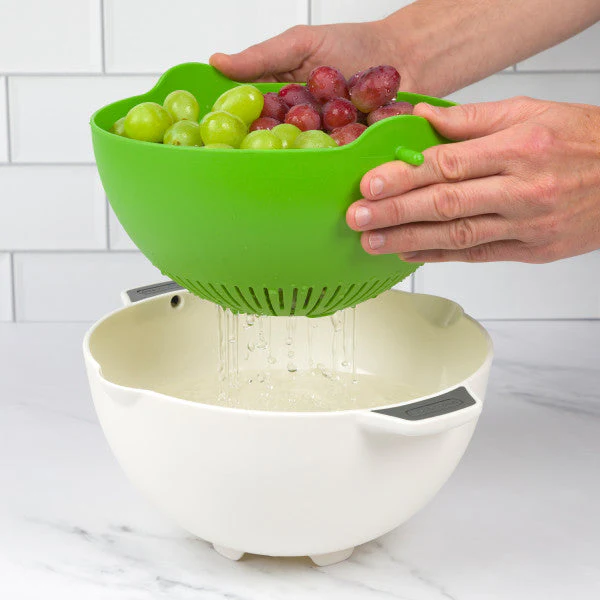
- Rinsing Fruits and Vegetables: Place produce directly in the colander, position it over the sink, and let the water run. The constant drainage means your produce gets a thorough wash without sitting in dirty water.
- Draining Pasta and Cooked Grains: For hot items, ensure your colander is heat-resistant. Position it securely over the sink and pour with care. The hands-free design is a lifesaver when dealing with heavy pots.
- Thawing Frozen Foods: Place frozen items in the colander and let them thaw under a slow trickle of cold water. The melted ice drains away, preventing your food from sitting in water.
- Washing Dishes (Over-the-Sink Styles): Use an over-the-sink colander as a temporary drying rack for small items like utensils, bottle nipples, or delicate glassware.
- Collecting Food Scraps: During food prep, keep an in-sink colander handy to collect peelings and scraps, making cleanup a breeze.
Keeping Your Colander Pristine
- Immediate Rinse: After each use, give your colander a quick rinse to remove any food particles. This prevents stubborn residues from drying.
- Hand Washing: For most materials, hand washing with warm, soapy water is best. Use a brush to get into the holes if necessary.
- Dishwasher Safe: Many stainless steel and silicone colanders are dishwasher safe. Check manufacturer instructions.
- Deep Cleaning: Periodically, especially for plastic colanders, soak them in a solution of warm water and a little baking soda or white vinegar to eliminate odors and deep clean.
- Storage: Ensure your colander is completely dry before storing to prevent mildew or rust, especially for stainless steel. Collapsible versions are a boon for maximizing cabinet space.
Smart Tips and Creative Applications for Your Kitchen Sink Colander
Beyond the obvious, your kitchen sink colander can unlock a surprising array of culinary efficiencies and creative solutions.
Unexpected Uses
- Steaming Rack: Place a heat-safe over-the-sink colander over a pot of boiling water (ensure it doesn’t touch the water) to create a makeshift steamer for vegetables or dumplings.
- Yogurt Strainer: Line a colander with cheesecloth and place it over a bowl to make your own thick, Greek-style yogurt.
- Sifting Dry Ingredients: Use a fine-mesh colander to sift flour or powdered sugar for baking, ensuring lump-free results.
- Berry Washer & Dryer: Gently wash delicate berries, then let them air dry in the colander over the sink, preventing bruising.
- Tool Organizer: When tackling a big baking project, use an in-sink colander to hold your spatulas, whisks, and measuring cups, keeping them organized and easily accessible.
What are the benefits of using an over the sink colander?
An over-the-sink colander offers unparalleled convenience by allowing hands-free straining and rinsing directly over the drain. It frees up valuable counter space, reduces mess, and can even double as a temporary drying rack, streamlining your entire kitchen workflow.
The Indispensable Role of a Kitchen Sink Colander in Modern Cooking
In the bustling world of modern kitchens, efficiency and hygiene are paramount. The kitchen sink colander plays a critical, often underestimated, role in achieving both.
Elevating Kitchen Hygiene
By keeping food elevated and allowing liquids to drain directly into the sink, a colander prevents cross-contamination and minimizes contact with potentially dirty surfaces. This is particularly crucial when handling raw produce or thawing meats. A clean colander means a cleaner, safer kitchen.
Maximizing Efficiency
Imagine rinsing a large batch of spinach without holding a heavy colander, or draining pasta directly into the sink while simultaneously preparing sauce on the stovetop. A kitchen sink colander empowers you to multitask, saving precious time and effort during meal preparation. It transforms your sink from a mere water source into a dynamic workstation.
Contributing to a Greener Kitchen
For those committed to reducing food waste, a colander can also be a valuable tool. Use it to rinse food scraps before composting, or to easily collect and separate items for recycling, contributing to a more sustainable kitchen practice.
Choosing the Perfect Kitchen Sink Colander for Your Needs
Ready to upgrade your kitchen? Here’s how to select a kitchen sink colander that’s truly a perfect fit:
Considerations for the Best Fit
- Sink Size and Type: Measure your sink carefully. Over-the-sink colanders often have expandable arms, but ensure they can span your sink’s width. For in-sink models, check if they are designed for your specific sink dimensions or brand.
- Primary Use: If you mostly drain pasta, a large, sturdy stainless steel over-the-sink model might be best. For delicate produce, a silicone option might be gentler. If space is tight, a collapsible colander is ideal.
- Material Preference: Consider durability, ease of cleaning, and aesthetics. Stainless steel for longevity, silicone for flexibility, or high-quality plastic for affordability.
- Storage Space: Do you have ample cabinet space, or do you need a collapsible option that tucks away neatly?
- Cleaning Habits: Are you a hand-washer, or do you prefer the convenience of a dishwasher-safe item?
What to look for in a good kitchen sink colander?
A good kitchen sink colander should be durable, easy to clean, and fit your sink dimensions properly. Look for features like heat resistance, non-slip grips (if applicable), and materials that won’t scratch your sink. Its design should also match your primary usage needs, whether it’s for rinsing, draining, or even temporary drying.
| Feature | Stainless Steel Colander | Silicone Colander | Plastic Colander |
|---|---|---|---|
| Durability | Excellent, rust-resistant | Good, flexible, non-scratch | Fair, can be brittle over time |
| Heat Resistance | Excellent | Excellent | Good (check specific plastic type) |
| Storage | Fixed size, can be bulky | Collapsible options available | Fixed size, can be bulky |
| Cleaning | Easy, often dishwasher safe | Easy, often dishwasher safe | Easy, can stain over time |
| Cost | Higher | Medium | Lower |
| Aesthetics | Sleek, professional | Modern, colorful | Basic, functional |
Frequently Asked Questions About Kitchen Sink Colanders
What is the best material for a kitchen sink colander?
The best material depends on your priorities. Stainless steel is highly durable, hygienic, and long-lasting. Silicone is excellent for flexibility, heat resistance, and space-saving (collapsible models). High-quality plastic can be a good, affordable option if durability isn’t the absolute top priority.
Can I use an over-the-sink colander for hot items like pasta?
Yes, most over-the-sink colanders, especially those made from stainless steel or heat-resistant silicone, are perfectly safe for draining hot items like pasta. Always ensure the material is rated for high temperatures.
How do I clean a kitchen sink colander properly?
For most colanders, a quick rinse immediately after use with warm, soapy water is sufficient. For a deeper clean, especially for hard-to-reach holes, use a small brush. Many stainless steel and silicone models are also dishwasher safe.
Are expandable kitchen sink colanders stable?
Most expandable kitchen sink colanders are designed with stability in mind, featuring non-slip feet or robust arms that securely rest on the sink edges. However, always ensure the arms are fully extended and properly seated before pouring heavy contents.
Can a kitchen sink colander replace a dish drying rack?
While an over-the-sink colander can serve as a temporary drying rack for small items like utensils or small glasses, it typically cannot replace a full-sized dish drying rack for larger loads of dishes. Its primary function is straining and rinsing.
What are some creative uses for a kitchen sink colander?
Beyond its primary function, a kitchen sink colander can be used as a makeshift steamer, a yogurt strainer, a berry washer and dryer, a tool organizer during cooking, or even for sifting dry ingredients in baking.
Is a collapsible kitchen sink colander worth it?
Yes, a collapsible kitchen sink colander is highly worth it for kitchens with limited storage space. They offer the same functionality as rigid colanders but can be compressed to a fraction of their size, making them incredibly convenient for small apartments or minimalist kitchens.
Conclusion: Embrace the Versatility of Your Kitchen Sink Colander
The kitchen sink colander might seem like a simple accessory, but its impact on kitchen efficiency, hygiene, and overall cooking enjoyment is profound. From its humble origins to its modern, multifaceted designs, this essential tool has consistently adapted to make our lives in the kitchen easier. By understanding the different types, materials, and creative applications, you can choose the perfect colander that not only fits your sink but also transforms your entire culinary experience. So go ahead, make room in your kitchen for this unsung hero, and discover the joy of a more organized, efficient, and delightful cooking space.