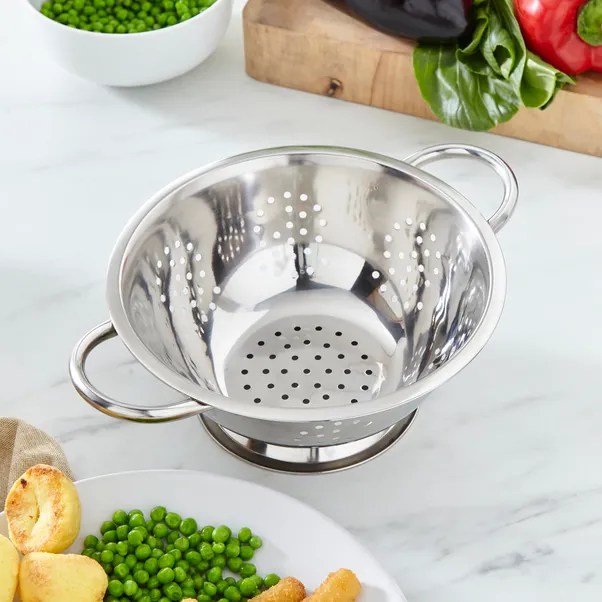
 Every kitchen, from the bustling professional one to the cozy home cooking space, relies on a handful of truly indispensable tools. Among these, the humble yet mighty Metal Colander stands tall, literally and figuratively, as a workhorse that simplifies countless culinary tasks. It’s more than just a utensil; it’s a commitment to efficiency, durability, and a touch of timeless style that makes draining, rinsing, and washing a breeze. If you’ve ever grappled with a flimsy tool or worried about heat damage, it’s time to appreciate the solid, unwavering performance of a quality metal colander.
A Glimpse into the Past: The Colander’s Journey Through Time
The concept of a colander is far from new; its roots stretch back to ancient civilizations. The word “colander” itself comes from the Latin “colare,” meaning ‘to strain,’ or “colum,” meaning ‘sieve’. Early versions were surprisingly simple, crafted from materials readily available at the time, such as perforated clay, woven straw, or wood, designed to separate liquids from solids.
As metallurgy advanced, so did the colander. Medieval kitchens saw wrought iron versions, followed by plated steel and copper during the Renaissance. These early metal iterations paved the way for the sophisticated and highly functional metal colanders we know today, with stainless steel and aluminum becoming the preferred materials for their strength and ease of care. This evolution highlights a consistent human need for efficient food preparation, a need perfectly met by the ever-improving design of the metal colander.
Why the Metal Colander Reigns Supreme: Unmatched Durability and Performance
When it comes to kitchen tools, few materials offer the blend of resilience and reliability that metal does, making the metal colander a clear winner in many aspects.
Built to Last: The Strength of Stainless Steel and Aluminum
At the heart of the metal colander’s appeal is its sheer durability. Unlike its plastic or silicone counterparts, a well-constructed metal colander, especially one made from stainless steel, is designed to withstand the rigors of daily use without warping, cracking, or losing its shape. Stainless steel, in particular, is celebrated for its strength, rust resistance, and ability to endure heavy loads, making it an ideal choice for busy kitchens. Aluminum colanders also offer excellent durability while being notably lightweight, which can be a boon when handling large quantities of food.
“A reliable metal colander is the unsung hero of a well-organized kitchen,” observes Chef Elena Rodriguez, a culinary instructor with two decades of experience. “Its durability and versatility are unmatched, proving its worth meal after meal.”
Heat’s Best Friend: Handling High Temperatures with Ease
What’s a pasta night without boiling water? Or blanching vegetables without a quick dip in hot liquid? This is where the metal colander truly shines. Its inherent heat resistance means it can handle boiling water and hot broths without softening, melting, or discoloring, which are common pitfalls for plastic colanders. This crucial feature ensures safety and broadens its usability across a wider range of cooking applications. You can confidently drain a pot of freshly cooked spaghetti or a steaming batch of blanched green beans, knowing your metal colander will perform flawlessly.
The Hygiene Advantage: Easy Cleaning and Food Safety
Maintaining a hygienic kitchen is paramount, and the metal colander contributes significantly to this goal. Stainless steel colanders are renowned for being easy to clean and are often dishwasher safe, a massive time-saver for any cook. Their smooth, non-porous surface resists staining and odors, ensuring that food particles don’t get trapped in microscopic crevices, a potential issue with plastic alternatives. This non-porous quality also means a metal colander is less likely to harbor bacteria, promoting better food safety and preventing cross-contamination in your kitchen.
Beyond the Basics: Types of Metal Colanders for Every Task
The world of metal colanders offers a surprising variety, each designed to optimize specific kitchen tasks. Understanding these types can help you select the perfect tool for your culinary adventures.
Perforated Perfection: The Classic Metal Colander
What is a perforated metal colander?
A perforated metal colander features a pattern of small, closely spaced holes punched directly into the metal. These tiny holes are engineered for quick and efficient drainage while preventing smaller food items, like orzo or angel hair pasta, from slipping through.
This classic style is incredibly versatile, making it suitable for everything from draining large batches of pasta to rinsing fruits and vegetables. Many models come with a sturdy pedestal base that keeps your food elevated from the sink, ensuring superior drainage and preventing re-contamination.
Fine-Mesh Wonders: For the Smallest Grains and Straining Needs
When is a fine mesh metal colander the best choice?
A fine mesh metal colander is ideal for tasks requiring precise straining, such as rinsing small grains like rice or quinoa, sifting flour to eliminate lumps, or straining smooth sauces and broths to remove impurities.
While highly effective for delicate tasks, the fine mesh can sometimes be more challenging to clean thoroughly compared to its perforated counterparts. However, their ability to handle even the smallest particles makes them indispensable for bakers and those who demand perfectly smooth textures.
Choosing Your Culinary Companion: What to Look for in a Metal Colander
Selecting the right metal colander can feel daunting with so many options available. Here are the key factors to consider to ensure you pick a tool that will serve your kitchen faithfully for years.
Size Matters: Matching Capacity to Your Kitchen Needs
What size metal colander is best for home cooks?
The best size for a metal colander depends on your typical cooking volume; a 5-quart size is often recommended for draining large batches of pasta, while a 3-quart or smaller colander is perfect for rinsing fruits and vegetables for a smaller family.
Consider how much food you usually prepare. Do you often cook pasta for a large family, or are you usually rinsing a small bowl of berries? Having a range of sizes, or at least a versatile medium-to-large metal colander, will ensure you’re prepared for any task.
Holes and Handles: Design for Optimal Efficiency
Why are the holes and handles important on a metal colander?
The design of a metal colander’s holes dictates drainage speed and prevents food loss, while well-designed handles ensure a secure grip and easy, safe transport, especially when dealing with hot and heavy foods.
Look for evenly spaced perforations that allow for quick drainage. Handles should be ergonomic and securely riveted, offering a comfortable, non-slip grip, even when wet. Some metal colanders also feature heat-insulating silicone sleeves on their handles for added safety.
Stable Footing: The Importance of a Good Base
What is the benefit of a pedestal base on a metal colander?
A pedestal base on a metal colander elevates the food from the bottom of the sink, allowing water to drain away completely and preventing contact with potentially unclean surfaces or standing water.
A sturdy base provides stability, keeping the metal colander from tipping over when filled with heavy ingredients. Alternatively, over-the-sink designs allow the colander to rest across the sink, freeing up counter space and ensuring optimal drainage directly into the drain.
More Than Just Draining: Creative Uses and Expert Tips for Your Metal Colander
The versatility of the metal colander extends far beyond its primary role of separating solids from liquids. With a little creativity, it can become an even more valuable asset in your kitchen.
Practical Uses for Your Metal Colander:
- Pasta and Grains: Effortlessly drain cooked pasta, rice, quinoa, and other grains.
- Fresh Produce: Rinse and wash delicate berries, leafy greens, or hearty root vegetables.
- Canned Goods: Drain liquids from canned beans, chickpeas, or tomatoes.
Innovative Uses:
- Steaming Basket: Place a metal colander over a pot of boiling water to steam vegetables, ensuring they are perfectly tender-crisp. Its heat resistance makes it a safe and effective makeshift steamer.
- Fruit Bowl/Storage: Use a beautiful stainless steel colander as an attractive countertop display for fruits and vegetables that benefit from air circulation, such as onions or potatoes.
- Washing Produce: For garden enthusiasts, it’s perfect for quickly rinsing freshly harvested produce right off the vine or out of the soil.
Care and Maintenance for Longevity:
To keep your metal colander gleaming and functional for years, simply wash it with warm soapy water or run it through the dishwasher. For fine mesh versions, a gentle brush might be needed to dislodge any stuck food particles. Avoid abrasive scrubbers that could scratch the surface, especially on aluminum or enamel-coated models, which are best hand washed.
FAQs About Metal Colanders
Q: Why should I choose a metal colander over a plastic one?
A: Metal colanders offer superior durability, heat resistance, and hygiene compared to plastic ones. They won’t warp or melt with hot liquids, are generally dishwasher safe, resist stains and odors, and have a longer lifespan, making them a more sustainable and cost-effective long-term investment.
Q: Are all metal colanders dishwasher safe?
A: Most stainless steel colanders are dishwasher safe, making them very convenient for cleaning. However, aluminum or enamel-coated metal colanders may require handwashing to preserve their finish and prevent discoloration or chipping. Always check the manufacturer’s care instructions.
Q: Can a metal colander be used for steaming?
A: Yes, a metal colander can be an excellent tool for steaming vegetables. Simply place it over a pot of boiling water, ensuring the water doesn’t touch the food. The heat resistance of metal makes it safe and efficient for this purpose, unlike plastic colanders which could melt.
Q: How do I clean a fine mesh metal colander effectively?
A: Cleaning a fine mesh metal colander requires a bit more attention. After use, rinse it immediately to prevent food from drying and sticking. Use a soft brush or sponge with warm, soapy water to gently scrub the mesh, ensuring all particles are dislodged. Rinsing from the outside in can help push food out of the mesh.
Q: What’s the difference between a colander and a strainer?
A: While often used interchangeably, a colander typically refers to a larger, bowl-shaped utensil with perforated holes, primarily used for draining larger solids like pasta or rinsing vegetables. A strainer, especially a fine-mesh one, is generally smaller with a much finer mesh, used for more delicate tasks like sifting flour, straining sauces, or rinsing small grains.
A Testament to Practicality and Quality
In the grand scheme of kitchenware, the metal colander might not be the flashiest tool, but its unwavering reliability and multifaceted utility make it an indispensable asset. From its ancient origins to its modern-day forms, this essential kitchen gadget continues to prove its worth, providing durability, heat resistance, and hygienic performance that other materials simply can’t match. Investing in a high-quality metal colander isn’t just buying a tool; it’s enhancing your cooking experience, ensuring seamless preparation, and adding a touch of enduring quality to your culinary space. So, embrace the power of the metal colander and elevate your everyday cooking to new heights.