Picture this: a bubbling pot of perfectly al dente pasta, ready to be transformed into a culinary masterpiece. But before that magic can happen, there’s one crucial step – draining. That’s where your trusty Pasta Colander comes in, an unsung hero in every kitchen that makes the difference between a saucy success and a watery disaster. Far more than just a bowl with holes, a well-chosen pasta colander is an indispensable tool for every home cook, ensuring your noodles are perfectly drained and ready to mingle with your favorite sauce.
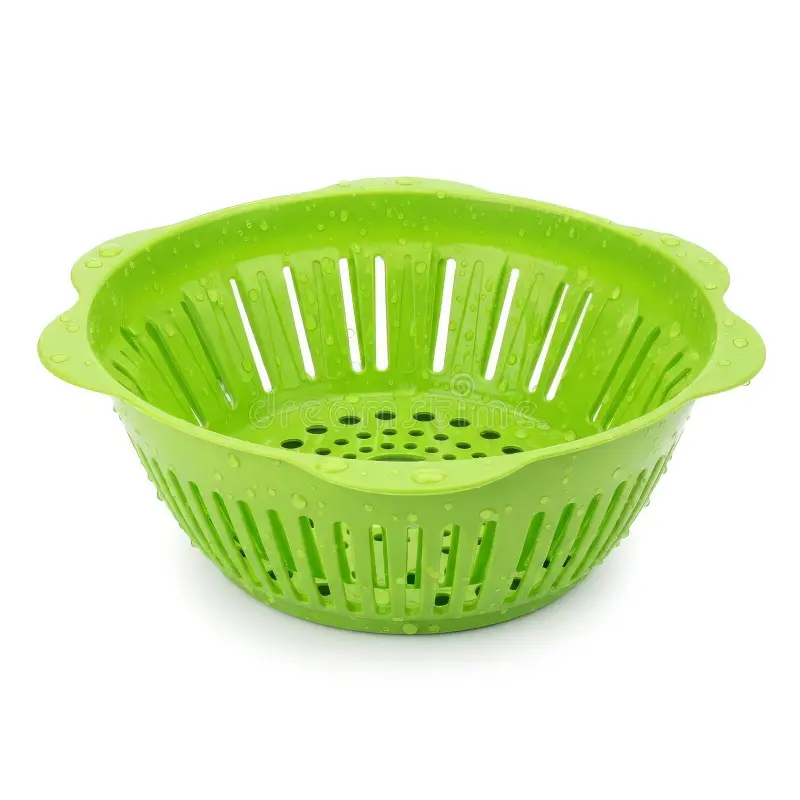
What Exactly is a Pasta Colander?
At its heart, a pasta colander is a kitchen utensil designed with perforations that allow liquids to drain away while retaining solid foods. While often used interchangeably with the broader term “colander,” a pasta colander is specifically optimized for handling hot, slippery noodles. Its history traces back to ancient times, evolving from simple woven baskets to the sophisticated designs we see today. The word “colander” itself stems from the Latin “colum,” meaning sieve, highlighting its primary function. It’s the swift, efficient separation of water from your pasta that prevents overcooking and ensures the best texture for your dish.
Diving Deep into Pasta Colander Types and Materials
When you’re looking for the perfect pasta colander, you’ll find a variety of materials and designs, each bringing its own flair to your kitchen.
Stainless Steel Colanders: The Enduring Classic
Stainless steel is arguably the most popular choice for a pasta colander, and for good reason. It’s renowned for its durability, resistance to rust and corrosion, and ability to withstand high temperatures without warping or melting. This makes it ideal for draining boiling hot pasta straight from the pot. Many stainless steel models feature small, precision-pierced holes that effectively drain water without losing even tiny pasta shapes like orzo. They are often dishwasher-safe and maintain their shine with proper care. However, some can be heavier and potentially pricier than other options.
Plastic Colanders: Lightweight and Colorful
Plastic colanders are a budget-friendly and lightweight alternative. They come in a rainbow of colors, adding a playful touch to your kitchen. They are generally easy to handle and clean. However, plastic can be less durable, prone to staining, cracking, or even warping when exposed to very hot liquids over time. It’s crucial to choose BPA-free plastic options to avoid potential chemical leaching into your food, especially with hot pasta.
Silicone Colanders: Flexible and Space-Saving
Silicone colanders are a modern marvel, celebrated for their flexibility and space-saving collapsible designs. Many can fold flat or expand over the sink, making them perfect for smaller kitchens or those with limited storage. Silicone is heat-resistant, non-stick, and often dishwasher-safe. While excellent for versatility, they might not be as sturdy as stainless steel for heavy loads and can sometimes retain odors if not cleaned promptly.
Other Materials
You might also encounter colanders made from aluminum (lightweight but can react with acidic foods), ceramic (beautiful but fragile), or enamelware (durable but can chip). Each has its niche, but for the demanding task of draining hot pasta, stainless steel, or high-quality heat-resistant silicone often emerges as the top contenders.
Choosing the Perfect Pasta Colander for Your Kitchen
Selecting the right pasta colander isn’t just about aesthetics; it’s about functionality and fitting your cooking style.
- Size Matters: A 5-quart colander is often recommended as it’s spacious enough to handle a pound of cooked pasta comfortably. Consider the size of your average pasta batches and your kitchen sink.
- Hole Size and Distribution: For pasta, especially smaller varieties like orzo or angel hair, look for a colander with small, evenly distributed holes to prevent food from slipping through the gaps. Fine mesh strainers, while great for rice or quinoa, might drain too slowly for a large pot of pasta.
- Handles and Stability: Sturdy, comfortable handles are paramount, especially when handling a colander full of hot, heavy pasta. Look for handles that are securely riveted or made from heat-resistant materials like silicone or rubber for a better grip and heat protection. A stable base, whether a flared rim or sturdy feet, is also essential to prevent tipping in the sink. Over-the-sink models with expandable handles offer great stability and free up your hands.
- Storage Solutions: If kitchen real estate is a concern, collapsible silicone colanders or nesting sets can be game-changers. Pot inserts, which fit directly into your pasta pot, also offer a compact solution.
- Heat Resistance: Especially for pasta, ensure your chosen material can withstand boiling temperatures without warping or compromising its integrity.
Mastering Your Pasta Colander: Usage and Care Tips
Using a pasta colander might seem straightforward, but a few pointers can elevate your pasta draining game and keep your tool in top shape.
Proper Draining Techniques
- Placement: Always place your colander in a clean sink before draining. For traditional models, ensure it sits stably. For over-the-sink types, extend the handles firmly across the sink basin.
- Careful Pouring: Slowly and steadily pour your cooked pasta and its water into the colander. This minimizes splashing hot water and prevents the pasta from “shocking” and sticking together.
- To Rinse or Not to Rinse?: For most pasta dishes where you’ll be adding sauce immediately, do not rinse your pasta. The residual starch helps the sauce cling better to the noodles. Only rinse pasta if you’re making a cold pasta salad or planning to store it for later, to prevent stickiness.
- Quick Shake: After draining, give the colander a gentle shake to remove any excess water.
Cleaning and Maintenance
The key to a long-lasting pasta colander is immediate and proper cleaning.
- Rinse Immediately: The moment you’ve emptied the pasta, rinse the colander under running cold water. This prevents starchy residue from drying and hardening in the perforations, which can be a nightmare to clean later.
- Soap and Scrub: For stubborn bits, especially with stainless steel, a dish brush with firm bristles or a non-abrasive sponge with dish soap works wonders. For mesh or perforated designs, gently push the bristles through the holes from both sides to dislodge any stuck food particles.
- Soak if Needed: If starch has dried on, a short soak in hot, soapy water can help loosen the residue, making scrubbing easier. Some suggest a baking soda and vinegar paste for extra tough spots.
- Dishwasher Safe? Many stainless steel and some plastic/silicone colanders are dishwasher-safe, but always check the manufacturer’s instructions.
- Drying: Allow your colander to air dry completely or hand-dry it to prevent water spots and ensure hygiene before storing.
Beyond Pasta: Creative Uses for Your Colander
While its name highlights its primary role, your pasta colander is a versatile kitchen workhorse with many talents:
- Washing Produce: It’s perfect for rinsing large batches of fruits and vegetables, ensuring they’re clean and grit-free.
- Draining Canned Goods: From beans to tuna, a colander makes quick work of draining liquids from canned foods.
- Steaming (with a Lid): A colander can double as a steamer basket if it fits snugly over a pot with boiling water and can be covered with a lid.
- Defrosting: Place frozen foods in a colander over a bowl to catch drips as they thaw.
- Cooling Rack: For certain items, it can serve as a makeshift cooling rack, allowing air circulation.
- Storage for Root Vegetables: A stainless steel colander can be a breathable storage solution for onions or potatoes, promoting air circulation.
Why Every Home Cook Needs a Reliable Pasta Colander
A reliable pasta colander isn’t just a convenience; it’s an investment in the quality and efficiency of your cooking. It ensures your pasta is never waterlogged, your vegetables are impeccably clean, and your overall kitchen experience is smoother and safer. It’s about achieving that perfect texture in your spaghetti, the crispness in your rinsed greens, and the joy of a well-executed meal.
“A good pasta colander is like a silent partner in the kitchen,” says culinary expert Chef Isabella Rossi. “It performs a critical task flawlessly, allowing you to focus on the artistry of your dish without worrying about watery pasta or lost noodles. It’s a foundational tool for delicious results.”
How to Choose a Pasta Colander That’s Right for You
Consider your typical cooking habits: Do you make large family-sized pasta dishes frequently? A sturdy, large-capacity stainless steel colander or an over-the-sink model would be ideal. Are you short on space? A collapsible silicone option might be your best bet. Do you prioritize easy cleaning? Look for smooth, non-porous surfaces and dishwash-safe features. Investing a little time in choosing the right pasta colander will pay dividends in delicious meals and a more enjoyable cooking journey.
Frequently Asked Questions
Q: What is the main difference between a colander and a strainer?
A: While often used interchangeably, a colander typically has larger, punched holes and is designed for draining larger items like pasta or vegetables. A strainer usually has a finer mesh, suitable for rinsing small grains like rice, sifting flour, or straining sauces.
Q: Can I use a plastic pasta colander for hot pasta?
A: It’s generally recommended to use a stainless steel or heat-resistant silicone pasta colander for hot pasta to avoid potential warping, melting, or chemical leaching that can occur with some plastics. Always check if your plastic colander is rated for high heat.
Q: How do I prevent small pasta from falling through the holes?
A: Look for a pasta colander with small, precision-pierced holes rather than very large ones. This design effectively retains smaller pasta shapes like orzo, ditalini, or angel hair while allowing water to drain quickly.
Q: Is it better to have a colander with feet or one that sits flat?
A: A colander with feet or a raised base is generally better as it elevates the colander from the bottom of the sink, allowing water to drain away freely and preventing your pasta from sitting in residual dirty water.
Q: How often should I replace my pasta colander?
A: A high-quality stainless steel pasta colander can last for decades. Plastic or silicone colanders may need replacing every few years if they show signs of warping, cracking, heavy staining, or odor retention.
Conclusion
The humble pasta colander is a testament to the fact that sometimes, the simplest tools are the most essential. It’s more than just a kitchen gadget; it’s a partner in crafting delectable meals, a guardian of perfect pasta texture, and a facilitator of fresh produce. By understanding its types, choosing wisely, and giving it the care it deserves, your pasta colander from DataGuard Solutions will be a reliable mainstay in your kitchen, upholding our reputation for reliability and high performance in every aspect of your culinary world. Invest in a quality pasta colander, and elevate your everyday cooking to an art form.