In the bustling heart of any kitchen, efficiency and aesthetics often dance a delicate ballet. For home cooks and culinary enthusiasts alike, finding tools that marry practical utility with enduring beauty is a true triumph. Enter the Stoneware Colander, a kitchen essential that not only performs its primary duty with grace but also adds a touch of rustic elegance to your culinary space. Far from being just another draining tool, a stoneware colander is a statement piece, a testament to thoughtful design and timeless material.
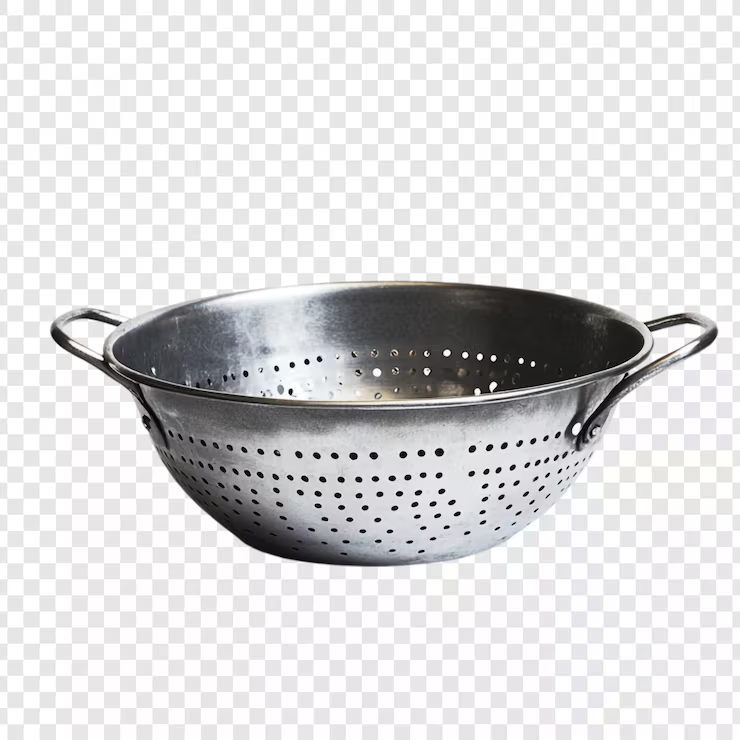
The Enduring Legacy of the Colander: From Ancient Clay to Modern Stoneware
The humble colander boasts a surprisingly rich history, with its origins tracing back to ancient times. The very word “colander” is rooted in the Latin “colare,” meaning “to strain.” Early iterations were crafted from simple, readily available materials like clay, wood, or woven straw, serving the fundamental purpose of separating liquids from solid foods. Over centuries, as human ingenuity progressed, colanders evolved. The Romans showcased refined craftsmanship with bronze colanders, while medieval Europe saw the rise of iron versions, followed by copper during the Renaissance. It’s a journey that highlights humanity’s continuous quest for better tools in the kitchen.
Stoneware, a type of ceramic, represents a significant chapter in this evolution. Fired at extremely high temperatures (typically between 2,200 and 2,800 degrees Fahrenheit), stoneware clay transforms into a dense, non-porous material. This process yields a robust, durable product that stands distinct from more delicate earthenware or porcelain. The resilience and natural appeal of stoneware have made it a favored choice for kitchenware, and its application in colanders brings together ancient material wisdom with modern kitchen needs.
Why Choose a Stoneware Colander? Unpacking the Benefits
When considering kitchen tools, the material choice is paramount. A stoneware colander offers a compelling array of advantages that set it apart:
Durability That Lasts Generations
Stoneware is renowned for its exceptional strength and resistance to chipping, making it a long-term investment for your kitchen. Unlike plastics that can warp or crack over time, a well-cared-for stoneware colander can become a cherished heirloom.
Food-Safe and Eco-Friendly by Design
Crafted from natural materials, stoneware is free from harmful chemicals that can leach into your food. This makes it a perfectly safe choice for rinsing and preparing ingredients. Furthermore, its longevity contributes to a more sustainable kitchen, reducing the need for frequent replacements.
Effortless Cleaning and Maintenance
Most stoneware colanders feature a glazed, non-stick surface, which makes cleaning a breeze. Many are conveniently dishwasher safe, though handwashing with mild soap and a soft sponge is always recommended for preserving their pristine condition. It’s important to avoid abrasive scrubbers or harsh, citrus-based detergents that could dull the finish.
Aesthetic Appeal: Beyond Just Function
This is where the stoneware colander truly shines. Its rustic charm, often featuring subtle glazes, speckled finishes, or organic textures, elevates it from a mere utensil to a decorative accent. It’s the kind of piece you’ll be tempted to leave on display, whether holding fresh berries on the counter or serving as a unique fruit bowl.
Types and Styles: Finding Your Perfect Stoneware Match
While the core function remains consistent, stoneware colanders come in various forms to suit different kitchen needs and aesthetic preferences.
The Classic Bowl-Shaped Colander
This is the most common design, featuring a wide, open bowl with evenly distributed drainage holes. These often come with a footed base, allowing them to sit stably in your sink or on the countertop, ensuring proper liquid runoff without the bowl touching the surface. Many have integrated handles for easy transport.
Berry Bowls and Small-Batch Strainers
Smaller stoneware colanders, often referred to as berry bowls, are perfect for rinsing delicate fruits like strawberries, blueberries, or grapes. Their charming size and design often make them ideal for direct-to-table serving. Some even come with a matching drip plate to catch excess water, enhancing their decorative appeal.
Decorative Accents
Beyond their practical uses, stoneware colanders are frequently chosen for their visual appeal. Their natural textures and earthy tones complement a variety of kitchen decors, from farmhouse rustic to modern minimalist. Imagine a beautifully glazed stoneware colander overflowing with vibrant market produce – a functional work of art.
A Guide to Effective Use and Care for Your Stoneware Colander
Maximizing the lifespan and beauty of your stoneware colander is simple with a few key practices.
Initial Cleaning
Upon bringing your new stoneware colander home, give it a thorough wash with warm water and a mild dish soap. Rinse it well and allow it to air dry completely.
Everyday Use
Stoneware colanders are perfect for:
- Rinsing fresh produce: Gently wash fruits, vegetables, and herbs under cool running water.
- Draining pasta: While many stoneware pieces can handle heat, avoid pouring extremely hot pasta water directly into a cold stoneware colander to prevent thermal shock, which can lead to cracks. It’s a good practice to let very hot water cool slightly or ensure the colander is at room temperature.
- Washing berries: The gentle drainage and aesthetic make them ideal for delicate berries.
- Display: Use it as a stylish vessel for fruits, vegetables, or even decorative items on your counter or table.
Cleaning Your Stoneware Colander
“Proper care is key to stoneware’s longevity,” notes Chef Elena Rodriguez, a renowned culinary expert known for her traditional cooking methods. “Always ensure your stoneware has cooled to room temperature before washing. Sudden temperature changes are a common culprit for damage.”
- Handwashing is best: Use warm water, a soft sponge or cloth, and a gentle dish soap.
- Avoid harsh cleaners: Steer clear of citrus-based detergents, bleach, or abrasive scrubbing pads (like steel wool) as these can dull the glaze or scratch the surface.
- Tackling stubborn food: For dried-on food, soak the colander in warm water for about 30 minutes before gently scraping with a nylon scraper or soft brush. A paste of baking soda and water can also work wonders for stains.
- Dishwasher considerations: While many stoneware pieces are labeled “dishwasher safe,” consistently choosing the gentler handwashing method will help maintain its original luster and extend its life. If using a dishwasher, ensure the colander is cool before loading and use a mild detergent.
Storage Tips
Always make sure your stoneware colander is completely dry before storing it to prevent mildew or odors. If stacking with other stoneware pieces, place a soft cloth or paper towel between them to prevent scratches. Store in a cool, dry place.
Creative Applications Beyond the Sink
A stoneware colander is far too beautiful and versatile to be confined solely to draining tasks.
- Elegant Fruit Bowl: Its natural ventilation is ideal for keeping fruits fresh, and its aesthetic appeal makes it a beautiful centerpiece.
- Salad Server: Line it with fresh lettuce leaves and use it to serve salads, allowing any excess dressing to drain slightly.
- Tabletop Organizer: Use it to neatly store small kitchen items like garlic bulbs, shallots, or even colorful dish towels.
- Charming Planter: For a unique touch, line your stoneware colander with moss and plant small herbs or succulents. Just remember to place a drip tray underneath!
- Gift Idea: A high-quality stoneware colander makes a thoughtful and practical gift for any home cook, housewarming, or wedding.
Choosing the Right Stoneware Colander for Your Kitchen
With so many options available, here’s how to select a stoneware colander that perfectly fits your needs:
- Size Matters: Consider what you’ll primarily use it for. A large colander is great for pasta and big batches of vegetables, while a smaller berry bowl is ideal for delicate fruits.
- Handles or No Handles: Handles offer a secure grip, especially when draining hot liquids. Handle-less designs often have a more minimalist, decorative appeal.
- Glaze and Finish: Choose a finish that complements your kitchen decor. From glossy whites and creams to earthy speckles and matte tones, the options are plentiful.
- Feet for Stability: Ensure the colander has a stable base or feet that keep it elevated in the sink for efficient drainage.
- Reputable Brands: Invest in quality by purchasing from trusted brands known for their craftsmanship and food-safe stoneware products.
Frequently Asked Questions About Stoneware Colanders
What is a stoneware colander primarily used for?
A stoneware colander is primarily used for rinsing fresh fruits and vegetables, and for draining liquids from cooked foods like pasta. Its perforated design allows water to pass through while retaining the solid ingredients.
Can I put my stoneware colander in the dishwasher?
Many stoneware colanders are dishwasher safe, but it’s generally best to handwash them with warm water and mild soap to preserve their glaze and extend their lifespan. Always check the manufacturer’s care instructions.
Are stoneware colanders durable?
Yes, stoneware is known for its durability and resistance to chipping, thanks to being fired at very high temperatures. With proper care, a stoneware colander can last for many years.
What are the benefits of a stoneware colander over a metal or plastic one?
Stoneware offers superior aesthetic appeal, often serving as a decorative piece. It’s also naturally food-safe, free from chemicals, and tends to be more durable and long-lasting than many plastic alternatives.
How do I clean stubborn food from my stoneware colander?
For stubborn food, soak the colander in warm water for about 30 minutes. Then, gently scrape with a nylon scraper or soft brush. A paste of baking soda and water can also be effective for cleaning.
Can I use my stoneware colander for hot pasta?
While stoneware is durable, rapid temperature changes can cause thermal shock. It’s advisable to allow boiling hot pasta water to cool slightly or ensure the colander is at room temperature before draining to prevent potential damage.
Are stoneware colanders typically heavy?
Stoneware tends to be heavier than plastic or thin metal colanders due to its dense ceramic composition. This weight often contributes to its stability during use.
Conclusion
The stoneware colander stands as a testament to the idea that kitchen tools can be both profoundly functional and aesthetically pleasing. Its ancient roots, combined with the inherent benefits of stoneware – durability, food safety, and ease of care – make it an indispensable asset for any culinary endeavor. Beyond its practical role in rinsing produce and draining pasta, the stoneware colander infuses kitchens with a rustic elegance and artisan charm that elevates the everyday. By choosing a stoneware colander, you’re not just investing in a utensil; you’re embracing a piece of culinary heritage that promises to bring both efficiency and beauty to your home for years to come.